+86-13819126663
Odvlhčovače pro muzea, archivy a knihovny video

Odvlhčovače pro muzea, archivy a knihovny

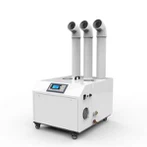
240L odvlhčovač pro muzea

Popis

Odvlhčovače pro muzea, archivy


Hlavní rysy:

1. Velkoplošná aplikace: velká kapacita odvlhčování, vhodná pro velkoplošné odvlhčování, velký větrný cyklus


2, široký rozsah vlhkosti: 20% -90% ultra-široký rozsah vlhkosti, může splnit potřeby různých odvlhčovacích místech, může pružně reagovat na extrémní prostředí


3, podpora kontinuální odvodnění: vnější odtokové potrubí, přímý přístup k kanalizačnímu potrubí, pohodlné odvodnění


4, inteligentní odvlhčování: obsahuje inteligentní čipy, automaticky inteligentní odvlhčování podle aktuální vlhkosti prostředí, není třeba sledovat t


5, inteligentní posouzení závad: automaticky určovat místo poruchy a zpětnou vazbu na LCD obrazovce pro údržbu


6, obousměrné načasování: lze nastavit čas spuštění a vypnutí podle pracovních požadavků, snadno ovladatelný


Fotografie produktů:

Dehumidifiers for Museums, Archives and Libraries

Dehumidifiers for Museums, Archives and Libraries

Podrobné parametry:

Modelka DH-5168C
Odstranění vlhkosti 168L / D nebo 7L / H
Zdroj energie 380V / 50HZ
Jmenovitý příkon 3.2KW
Výkonový proud 6.2A
Pracovní teplota 5-38 ° C
Cirkulující vzduch 1600M3 / h
Chladivo R22 / R407C
Čistá hmotnost 108 kg
Celková hmotnost 118 kg
Použití prostoru 150 ~ 200m2
Rozměr výrobku 405x605x1620mm
Rozměry balení 485x655x1680mm
Načítání množství 33ks / 20ft
Období výroby 10 dní
Záruka 1 rok

Aplikace pro odvlhčovače v muzeích, archivech a knihovnách

Pojem vlhkost (absolutní vlhkost a relativní vlhkost) je obvykle zapojen do studia muzejních environmentálních studií. Pro pochopení vlhkosti je nutné pochopit vztah mezi relativní vlhkostí a absolutní vlhkostí. Vzduch kolem nás obsahuje určité množství vodní páry, která se nazývá vlhký vzduch; vzduch, který je teoreticky prostý vodní páry, se nazývá suchý vzduch. Absolutní vlhkost je poměr hmotnosti vodní páry ve vzduchu k celkovému objemu vlhkého vzduchu. Je to míra množství vodní páry ve vzduchu.


Za určitých podmínek teploty je poměr obsahu vody ve vzduchu k obsahu vody, při kterém vodní pára ve vzduchu dosahuje bodu nasycení, to, co obvykle nazýváme relativní vlhkostí. Když vlhkost ve vzduchu dosáhne nejvyšší úrovně, to je voláno saturace. Relativní vlhkost je v tomto případě 100%.


Množství vody, které může být uloženo ve vzduchu, je ovlivněno teplotou. Čím vyšší je teplota, tím více vody. Proto se absolutní vlhkost (obsah vody) nemění. Čím vyšší je teplota, tím nižší je relativní vlhkost. Pokud je hmotnost vodní páry ve vzduchu konstantní a teplota se mění, relativní vlhkost se může značně lišit.


Například pro muzea v polootevřeném prostředí mohou být sbírky, včetně kovových artefaktů, vystaveny během výstavy vyšší teplotě a relativní vlhkosti, ale z nějakého důvodu jsou artefakty přesunuty do prostředí s nízkou teplotou díky změně teplota, vodní pára kolem kovových artefaktů bude kondenzovat za chladných podmínek, což způsobí "kondenzaci". Fenomén „kondenzace“ vodní páry na povrchu kovových artefaktů je důležitou příčinou koroze kovových artefaktů.


Kromě toho je vlhkost prostředí, ve kterém je sbírka umístěna, příliš velká, což činí sbírky se špatnou odolností proti vodě, jako je papír, barva obrazů ztmavne a je náchylná ke skvrnám formy; a pokud je vlhkost příliš nízká, dřevo a laky prasknou. . Proto je velmi důležité kontrolovat obsah vlhkosti a teplotu atmosféry v muzeu.


V současné době mnoho muzeí a galerií doma i v zahraničí začalo používat regulátory vzdušné vlhkosti, absorbéry vlhkosti atd. K úpravě vlhkosti výstavní místnosti a skladu a získali určité výsledky.

The concept of humidity (absolute humidity and relative humidity) is usually involved in the study of museum environmental studies. In order to understand the humidity, it is necessary to understand the relationship between relative humidity and absolute humidity. The air around us contains a certain amount of water vapor, which is called wet air; the air that is theoretically free of water vapor is called dry air. Absolute humidity is the ratio of the mass of water vapor in the air to the total volume of humid air. It is a measure of the amount of water vapor in the air.  Under certain conditions of temperature, the ratio of the water content in the air to the water content at which the water vapor in the air reaches the saturation point is what we usually call relative humidity. When the moisture in the air reaches the highest level, it is called saturation. The relative humidity in this case is 100%.  The amount of water that can be stored in the air is affected by the temperature. The higher the temperature, the more the water is. Therefore, the absolute humidity (water content) does not change. The higher the temperature, the lower the relative humidity. If the weight of water vapor in the air is constant and the temperature changes, the relative humidity may vary greatly.  For example, for museums in a semi-open environment, collections including metal artifacts may be exposed to a higher temperature and relative humidity during the exhibition, but for some reason the artifacts are moved to In a low temperature environment, due to the change of temperature, the water vapor around the metal artifacts will condense under cold conditions, causing


The concept of humidity (absolute humidity and relative humidity) is usually involved in the study of museum environmental studies. In order to understand the humidity, it is necessary to understand the relationship between relative humidity and absolute humidity. The air around us contains a certain amount of water vapor, which is called wet air; the air that is theoretically free of water vapor is called dry air. Absolute humidity is the ratio of the mass of water vapor in the air to the total volume of humid air. It is a measure of the amount of water vapor in the air.  Under certain conditions of temperature, the ratio of the water content in the air to the water content at which the water vapor in the air reaches the saturation point is what we usually call relative humidity. When the moisture in the air reaches the highest level, it is called saturation. The relative humidity in this case is 100%.  The amount of water that can be stored in the air is affected by the temperature. The higher the temperature, the more the water is. Therefore, the absolute humidity (water content) does not change. The higher the temperature, the lower the relative humidity. If the weight of water vapor in the air is constant and the temperature changes, the relative humidity may vary greatly.  For example, for museums in a semi-open environment, collections including metal artifacts may be exposed to a higher temperature and relative humidity during the exhibition, but for some reason the artifacts are moved to In a low temperature environment, due to the change of temperature, the water vapor around the metal artifacts will condense under cold conditions, causing

Populární Tagy: odvlhčovače pro muzea, archivy a knihovnyČína, výrobci, dodavatelé, továrna, velkoobchod

Odeslat dotaz

(0/10)

clearall